

A former brownfield site reinvented as the headquarters of Life Science & Biotechnology
In August 1998, Lyme Properties purchased a largely-vacant, ten-acre parcel in Kendall Square, at the heart of a district framed by MIT campus, the Charles River, and the East Cambridge neighborhood. The resulting Kendall Square development is a highly urban, mixed-use community featuring biotech labs, offices, residential condos and apartments, restaurants and retail.
Status: Sold to BioMed Realty Trust in 2005
Address: Third Street, Cambridge, MA
Master Planner: Urban Strategies Inc.
Landscape Design: Michael Van Valkenburgh
Awards: 2006 EPA Phoenix Award Grand Prize Winner - National Recognition for Excellence in Brownfield Redevelopment


The landscape design of Kendall Square created outdoor seating that serves the surrounding buildings and restaurants

The "sky bowl" enclosure within the North Plaza was designed as a place for quiet contemplation. A natural sanctuary, protected within a steep earth form and heavily planted with trees, the "sky bowl" forms a soothing spot for all to enjoy.


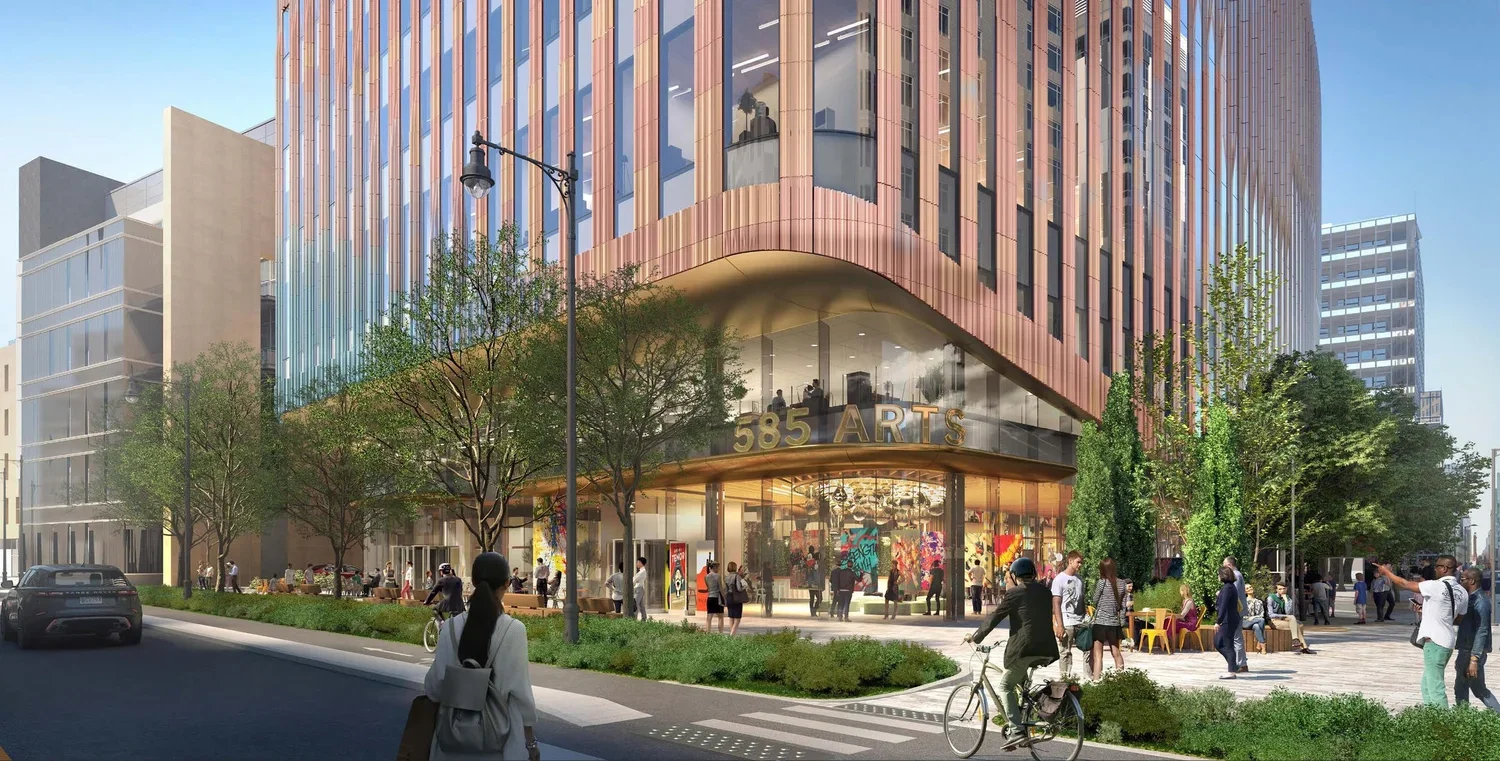
An the center of Lyme’s Kendall Square development was to be a center for public arts, the vision is being fulfilled many years later by BioMed Realty Trust and CBT Architects, with the completion of 585 Kendall.
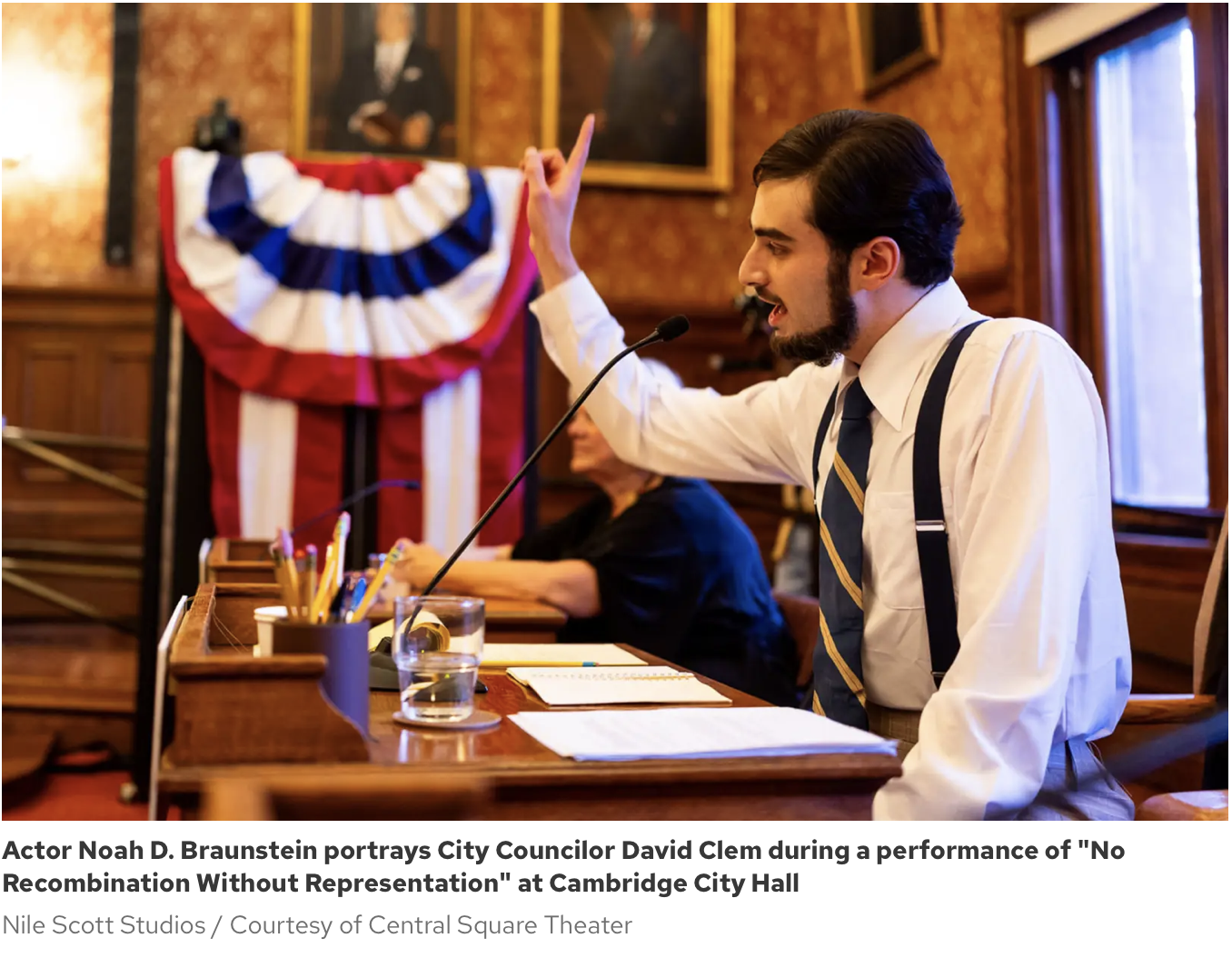
It wasn’t a real city council hearing. It’s a play called “No Recombination Without Representation” — a historical recreation of a pivotal momentthat happened in this same room, 50 years ago, which paved the way for Cambridge to become the world’s hub of biotechnology research.
Who gets to decide the boundaries of scientific discovery? Fifty years later, step back in time with an immersive theatrical experience staged in the very same Cambridge City Hall hearing room where this conversation took place. Relive the tension, the debate, and the moment that turned local politics into a worldwide reckoning and that formed the Kendall Square that we know today.

Marking fifty years since the 1976 Cambridge recombinant DNA debate, this symposium convenes historians, scientists, policymakers, and journalists. Together, they will examine how emerging technologies have been identified, debated, and governed, from the recombinant DNA discussions of the 1970s to current conversations around AI and synthetic biology.
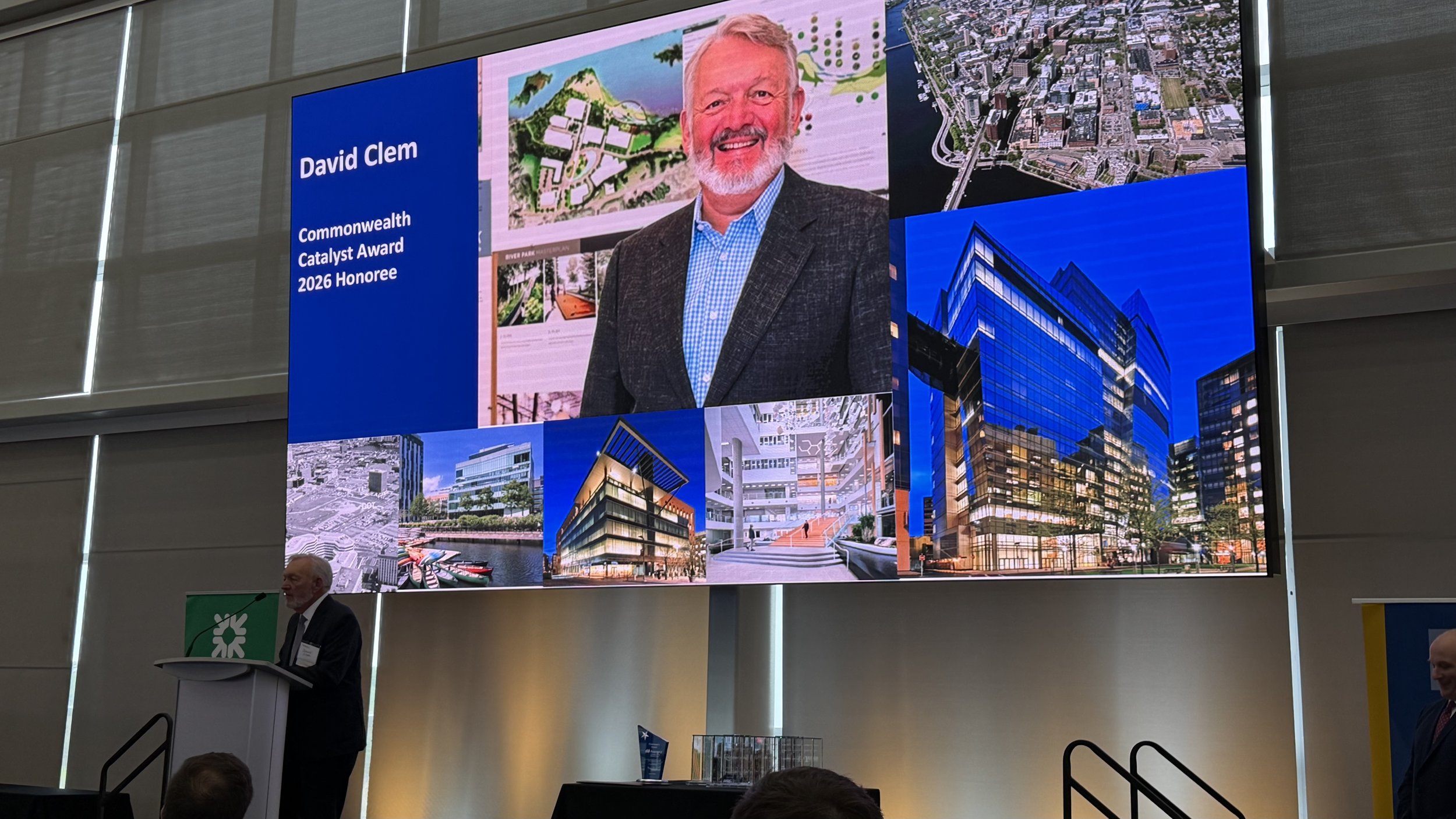
The Commonwealth Catalyst Award recognizes outstanding efforts over time to spur economic activity in Massachusetts. Commonwealth Catalyst awardees have been significantly involved in economic development activities, working in and across public, private, and non-profit sectors to propel economic growth. This award celebrates the spirit of transformation.
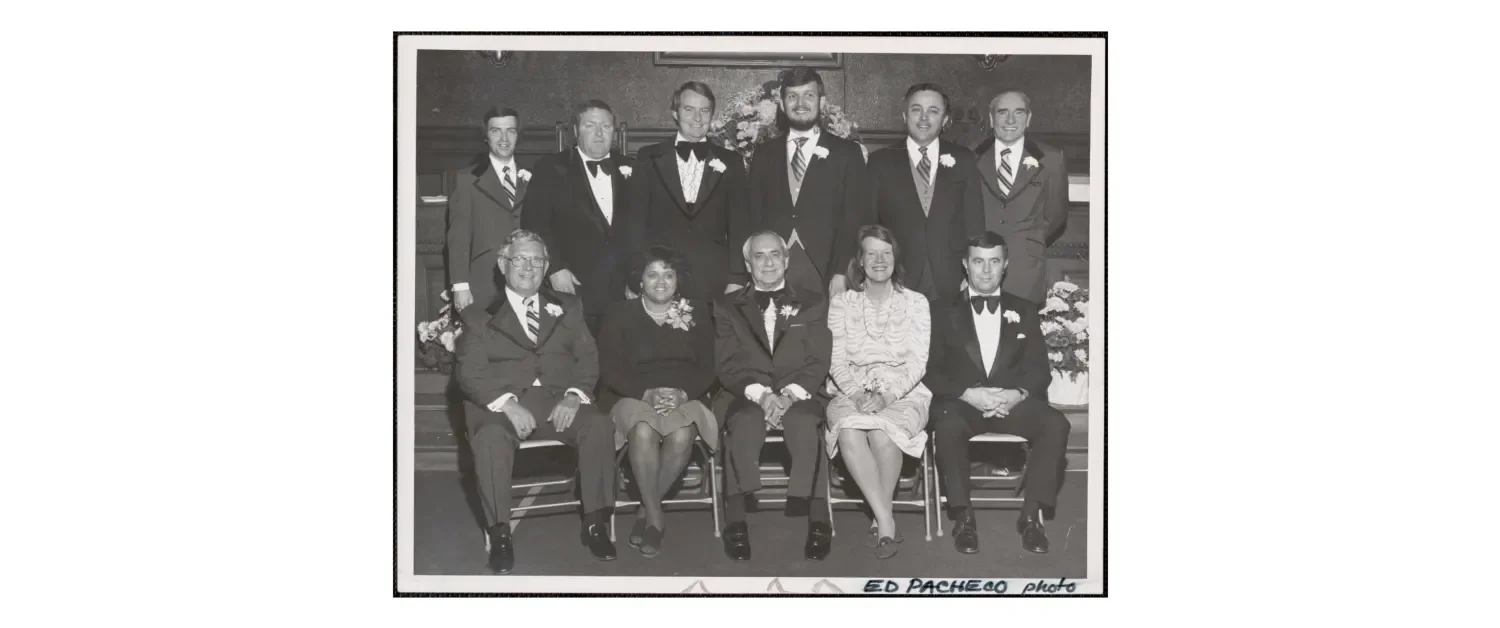
On a warm, late-June evening in 1976, the Cambridge, Massachusetts, City Council gathered to contemplate the unprecedented act of banning a scientific technique. Spectators packed its halls as eminent scientists from Harvard, MIT, and the National Institutes of Health answered pointed questions from councilors regarding the safety of recombinant DNA, a core technology of the modern biotechnology industry. One councilor, David Clem, skewered the gathered scientists for proposing to conduct this research in a heavily populated city…

In 1986 the property that the iconic Fox & Tishman Diner sat on in Kendall Square was sold to make way for the Red Line T Station. The F&T was a neighborhood institution, having served East Cambridge since the 1920s, but Kendall Square was transforming. David Clem purchased the Diner and all remaining assets of the F&T, with the plan to re-locate it to the One Kendall Square property. The Dining car was too far gone to preserve, but the porcelain cladded sign, restaurant booths, hand-painted signs, and many, many boxes of F&T history were saved and protected in hopes of one day returning the F&T to Kendall Square.

Cambridge’s Kendall Square might never have become the world’s life science capital if a New Hampshire timber company hadn’t decided to diversify some of its investments into commercial real estate.


This year's Parker winner is the Genzyme Center, the headquarters of a major biotech company, at 500 Kendall St. near MIT.


David Clem and Lyme Properties are featured in the November/December 2007 edition of ArchitectureBoston, which showcases their focus on excellent architectural work at Kendall Square. The full article can be downloaded here.

SAN DIEGO, Jan. 30 /PRNewswire-FirstCall/ — BioMed Realty Trust, Inc. (NYSE: BMR) today announced that it has signed definitive purchase and sale agreements with affiliates of Lyme Timber Company to acquire Lyme’s remaining portfolio assets throughout the United States for approximately $511 million


Lyme Properties was featured in the September 6, 2006 edition of the New York Times, in an article entitled "A Location and a Technology Much in Demand."
Read the full story at www.nytimes.com


HANOVER, NEW HAMSPHIRE, April 18, 2005 - David Clem, Managing Director of Lyme Properties, announced an agreement to sell eight life science buildings and one parking garage in Cambridge, MA to BioMed Realty Trust of San Diego, California. The purchase price for the 1,150,000 square foot portfolio is $524 million, making it the largest single transaction in the history of life sciences real estate. “This transaction validates the work of Lyme for the past ten years and demonstrates the investment potential of first-class research space in well established academic centers,” said Clem.


The Genzyme Center at Kendall Square was highlighted in The Boston Globe on February 22, 2004. The full article can be downloaded here.