Scroll
Lyme Permitted, Designed, and Built 4 Million S.F. of Interesting Buildings for Interesting Companies

Recent News:
News
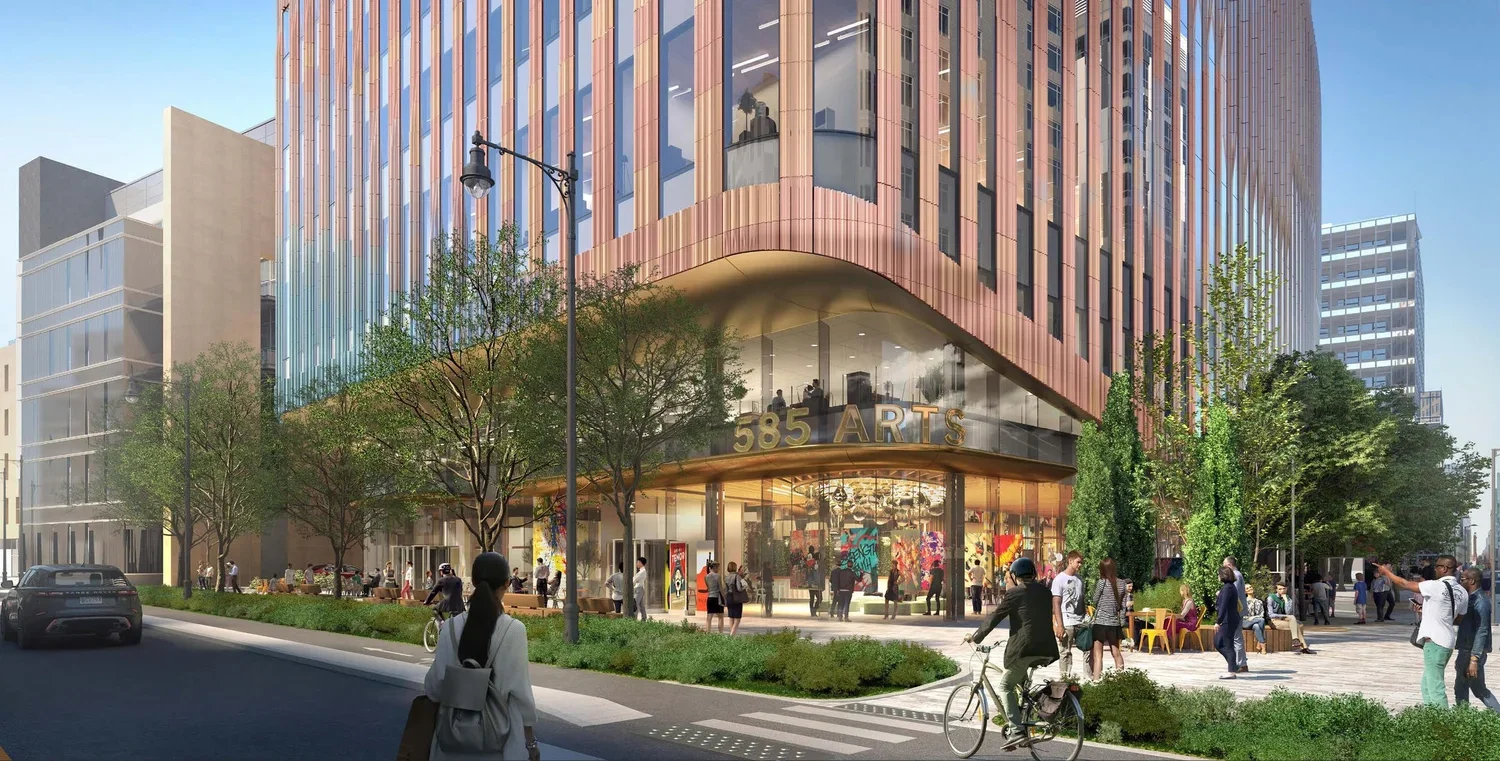
An the center of Lyme’s Kendall Square development was to be a center for public arts, the vision is being fulfilled many years later by BioMed Realty Trust and CBT Architects, with the completion of 585 Kendall.
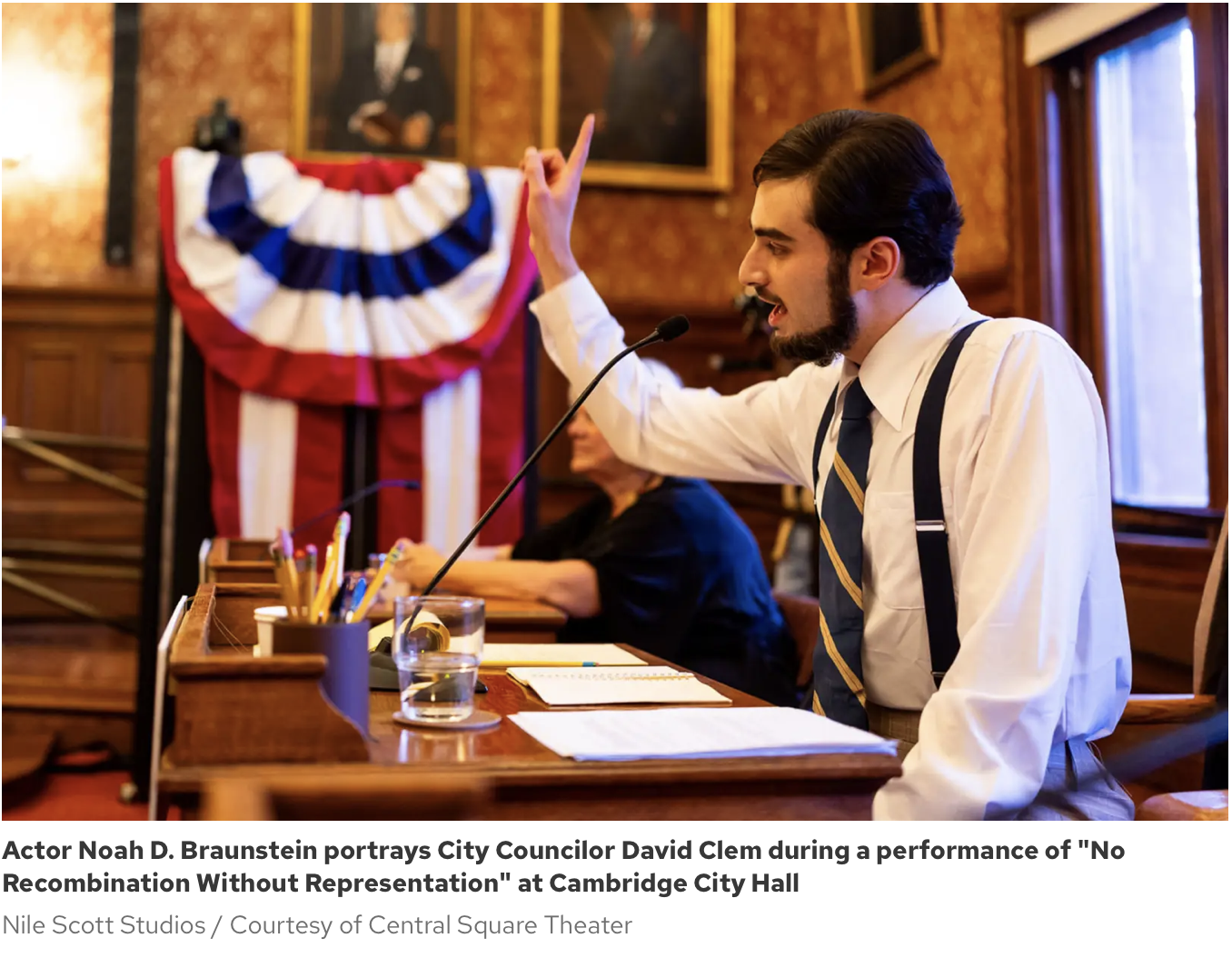
It wasn’t a real city council hearing. It’s a play called “No Recombination Without Representation” — a historical recreation of a pivotal momentthat happened in this same room, 50 years ago, which paved the way for Cambridge to become the world’s hub of biotechnology research.
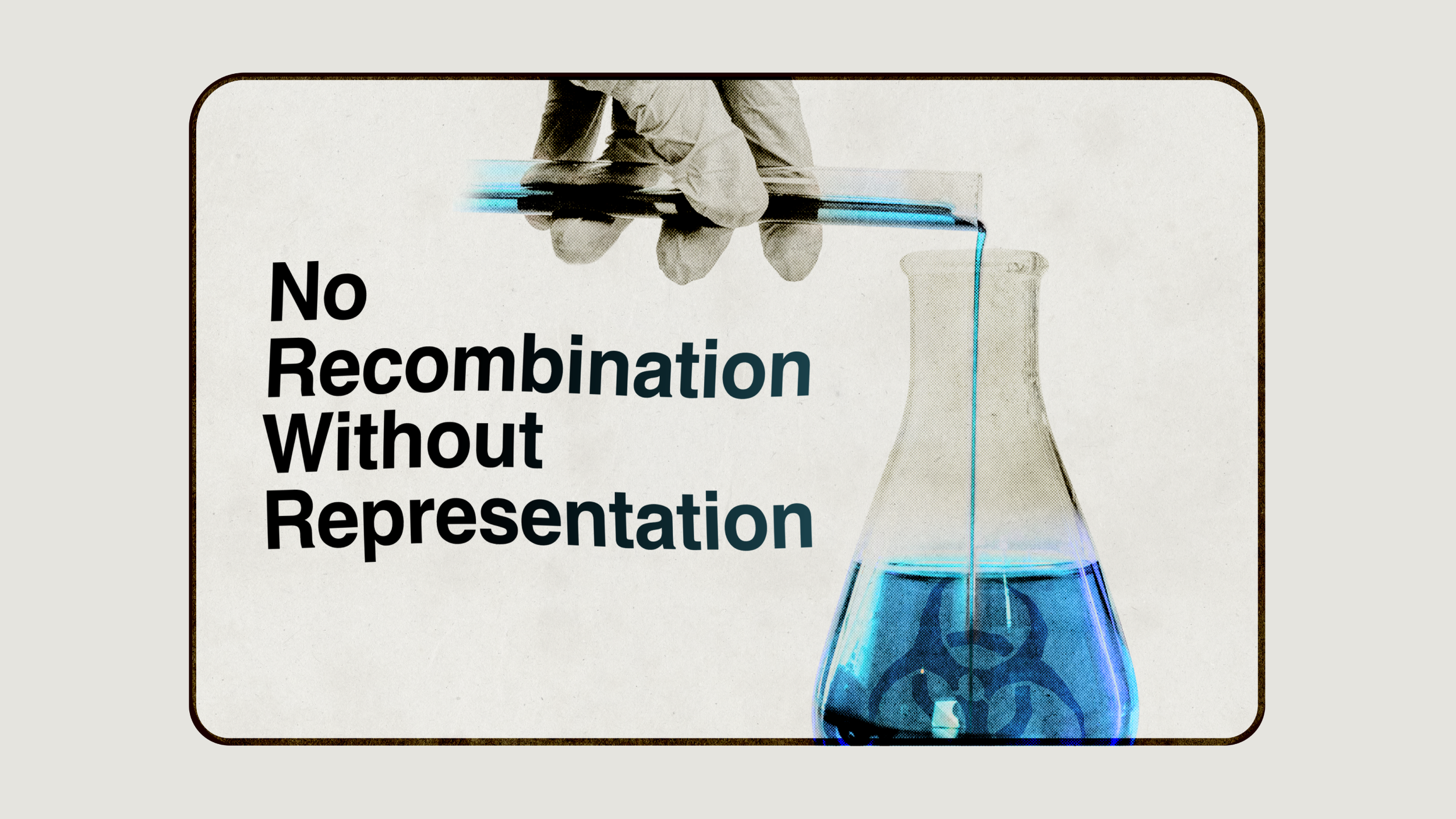
Who gets to decide the boundaries of scientific discovery? Fifty years later, step back in time with an immersive theatrical experience staged in the very same Cambridge City Hall hearing room where this conversation took place. Relive the tension, the debate, and the moment that turned local politics into a worldwide reckoning and that formed the Kendall Square that we know today.

Marking fifty years since the 1976 Cambridge recombinant DNA debate, this symposium convenes historians, scientists, policymakers, and journalists. Together, they will examine how emerging technologies have been identified, debated, and governed, from the recombinant DNA discussions of the 1970s to current conversations around AI and synthetic biology.
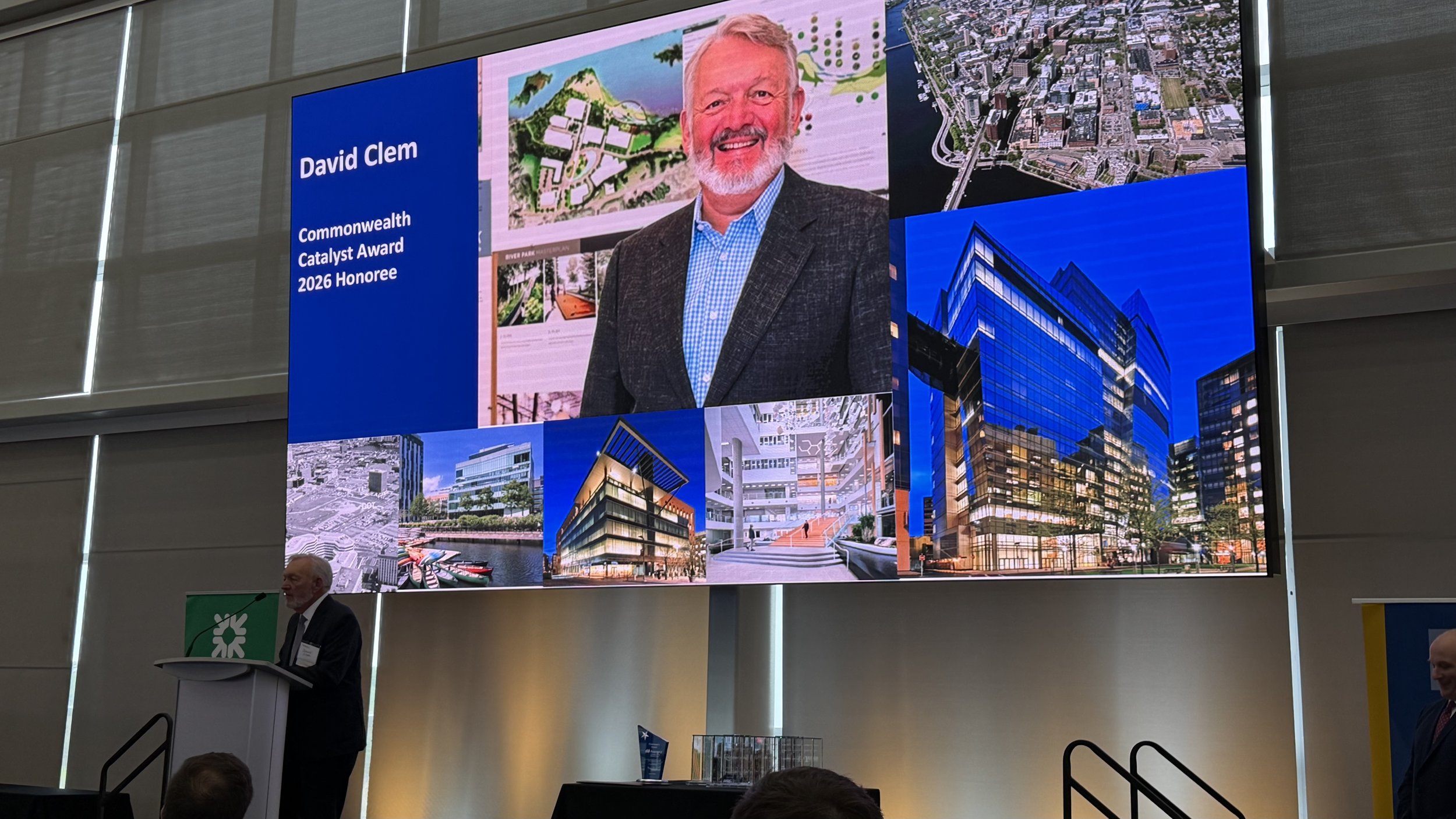
The Commonwealth Catalyst Award recognizes outstanding efforts over time to spur economic activity in Massachusetts. Commonwealth Catalyst awardees have been significantly involved in economic development activities, working in and across public, private, and non-profit sectors to propel economic growth. This award celebrates the spirit of transformation.
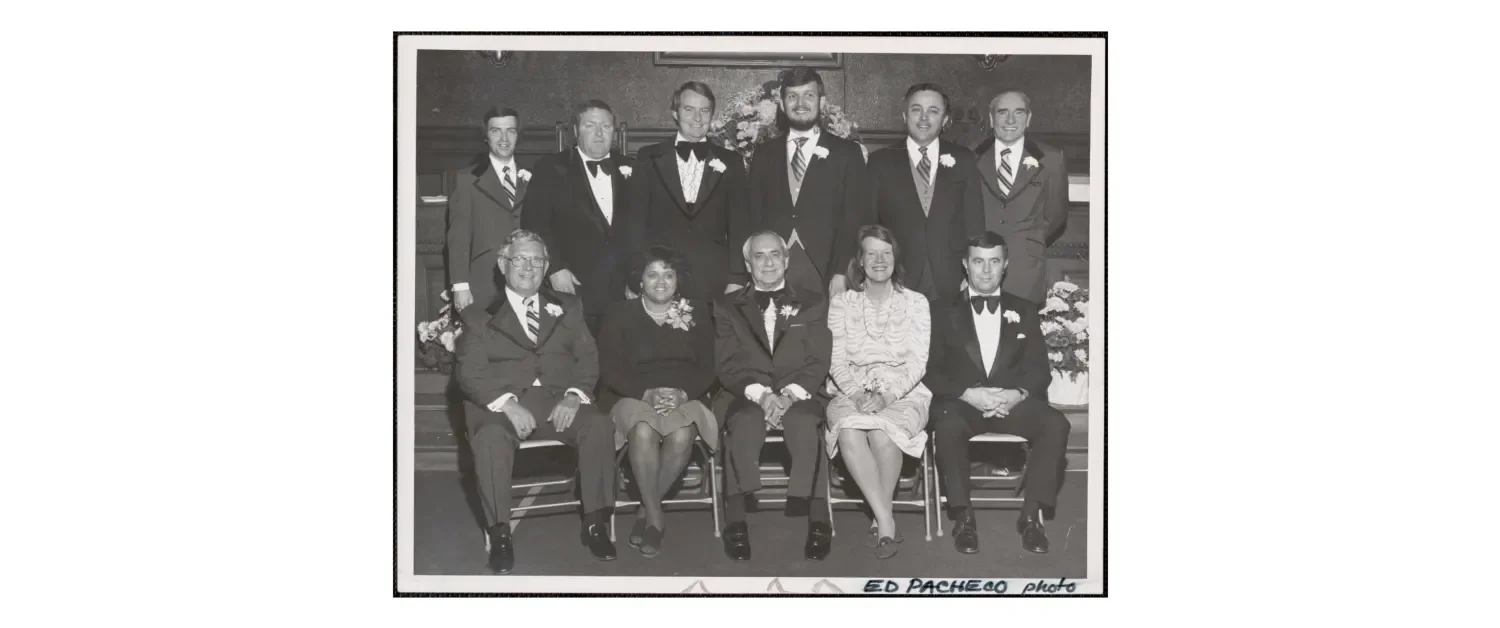
On a warm, late-June evening in 1976, the Cambridge, Massachusetts, City Council gathered to contemplate the unprecedented act of banning a scientific technique. Spectators packed its halls as eminent scientists from Harvard, MIT, and the National Institutes of Health answered pointed questions from councilors regarding the safety of recombinant DNA, a core technology of the modern biotechnology industry. One councilor, David Clem, skewered the gathered scientists for proposing to conduct this research in a heavily populated city…
Whitehead Institute partners with Kendall Square Association to bring together real estate developer David Clem, whose early and sustained investments helped shape Kendall Square’s rise, and Robin Wolfe Scheffler, MIT historian and author of David Clem: Building Genetown. Together, Clem and Scheffler offer an insider’s look at the choices, risks, partnerships, and moments of chance that turned overlooked industrial space into the densest biotechnology cluster in the world and a model emulated globally. Whether you care about development, discovery, history, or the future of science-driven cities, this program offers a rare opportunity to understand how Kendall Square became what it is today and why it matters.
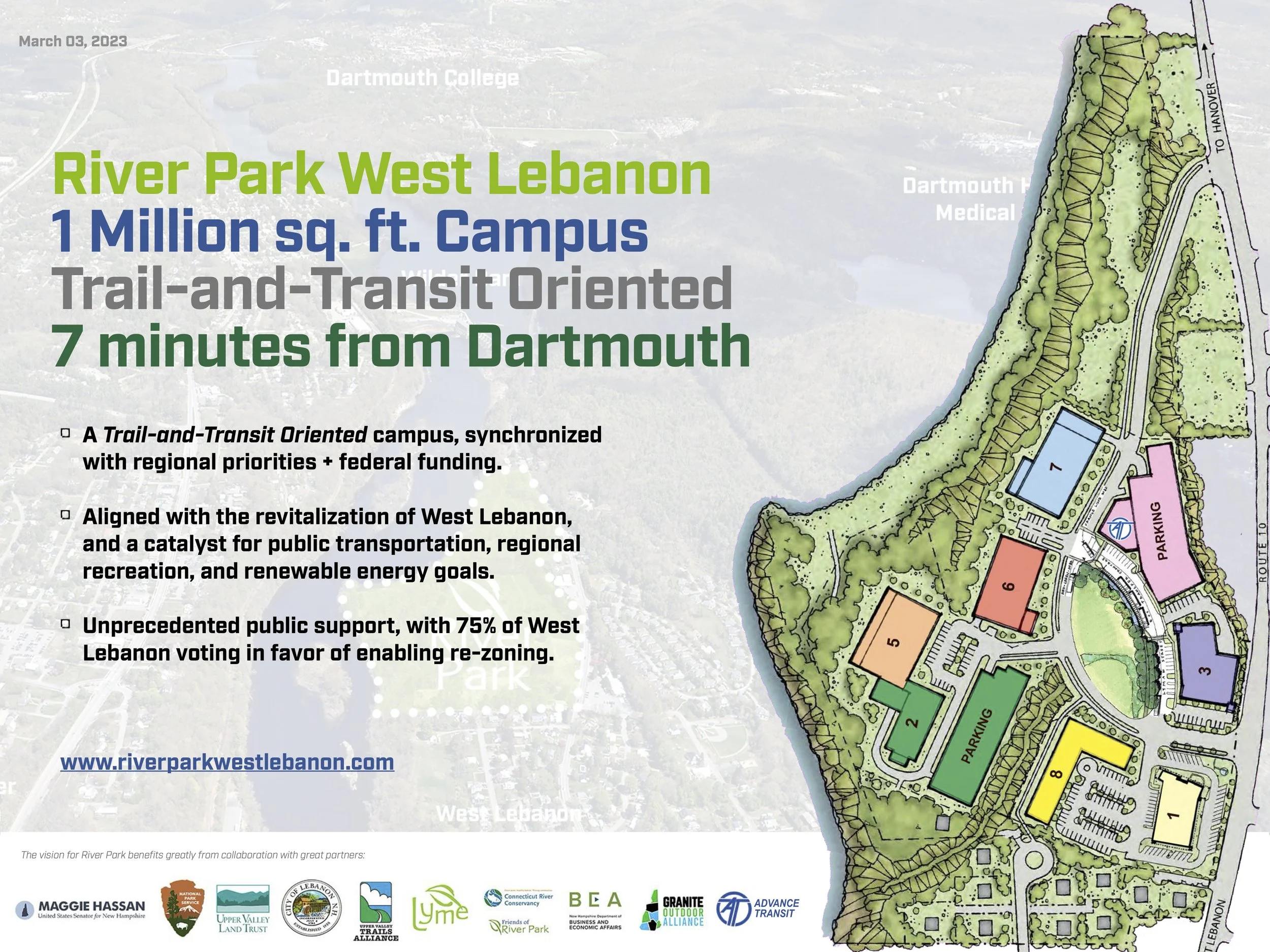
An overview of the River Park development and associated community development efforts that Lyme Properties had been spearheading from 2019-2023. The City revoked the 1 River Park Building Permit two weeks later.

In 1986 the property that the iconic Fox & Tishman Diner sat on in Kendall Square was sold to make way for the Red Line T Station. The F&T was a neighborhood institution, having served East Cambridge since the 1920s, but Kendall Square was transforming. David Clem purchased the Diner and all remaining assets of the F&T, with the plan to re-locate it to the One Kendall Square property. The Dining car was too far gone to preserve, but the porcelain cladded sign, restaurant booths, hand-painted signs, and many, many boxes of F&T history were saved and protected in hopes of one day returning the F&T to Kendall Square.

Cambridge’s Kendall Square might never have become the world’s life science capital if a New Hampshire timber company hadn’t decided to diversify some of its investments into commercial real estate.

Chet Clem of Lyme Properties was invited to give the Keynote address at the 2022 Southern Vermont Economy Conference hosted at Mt. Snow. The theme of the conference was “Cultivate Change.”

Chet Clem was invited to speak at the Lebanon Economic Development Commission on March 23, 2022 to discuss West Lebanon Revitalization efforts and Lyme has has continued to envision River Park West Lebanon as a catalyst for Economic Development and Public Recreational Improvements despite a decade of delays.

The 2021 West Lebanon Revitalization Advisory Committee (WLRAC) created the Action Plan For West Leb, compiling decades of planning efforts and studies into an actionable 10-step plan for West Leb. It was unanimously supported by the Lebanon City Council. Chet Clem of Lyme Properties served as Vice Chair of the WLRAC and prepared the Action Plan.

Prepared for the 2021 visit by US Senator Maggie Hassen, as River Park was building a coalition approach to economic development in West Lebanon, working with local/state/federal government leaders and local/regional/federal non-profit organizations to align with the Biden-Buttigieg Build Back Better infrastructure plan. View PDF of Presentation Book.

Chet Clem was invited to give the Keynote address at the 2021 Vermont Community Development Association (VCDA) conference on “Reimagining Our Public Spaces”

A presentation at the Proud Places conference by Chet Clem of Lyme Properties, discussing how to bring creativity and humor into the downtown redevelopment process to break through decades of studies and good intentions, but no identity, attitude, or outcome for your struggling downtown.

Lyme Properties acquired the old West Lebanon library and blended its complete restoration with the development of the River Park Project. By completing that task, they honored Lebanon’s past while ensuring controlled future growth.

On September 9th the Lebanon Planning Board voted 5-2 to approve the improved River Park Phasing Plan, which expedites the construction of the already approved 125,125 SF multi-family residential building (Building 8) to meet the growing housing demand in the Upper Valley. The updated phasing also allows for the concurrent construction of Building 3 (95,800 SF of office and retail) along Route 10, which will better establish the entrance to River Park and achieve true “mixed-use” earlier in the phased development.

Lyme Properties held an official groundbreaking at the River Park West Lebanon site on September 24, 2015. Many thanks to New Hampshire Governor Maggie Hassan who has been an ardent supporter of the project, and helped announce the groundbreaking. Also in attendance was award-winning Architect Howard Elkus who designed the first building. We are pleased to announce the design of 100 River Park Drive, a 48,000 SF life-science/office/retail building that will be the entrance to River Park.

Lyme Properties was humbled and honored to be nominated for a National Trust for Historic Preservation Award by the Preservation Trust for Vermont. The Wilder Center project was nominated for a National Honor Award, and David Clem was nominated for the Peter H. Brink Award for Personal Achievement.

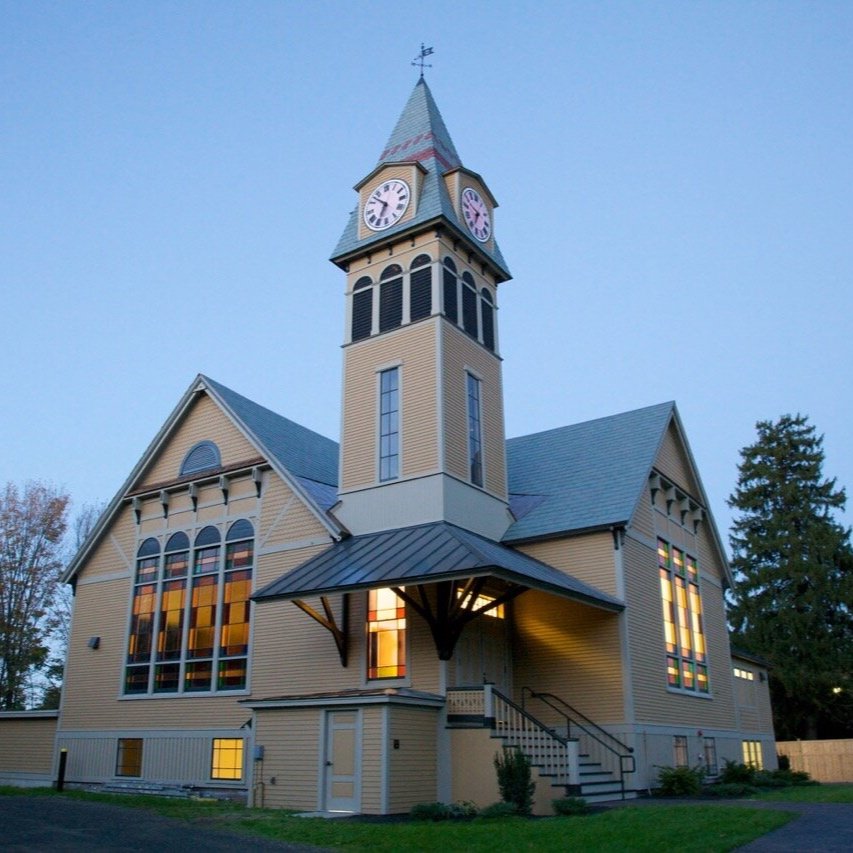
The citizens of Wilder, Vermont and the Upper Valley joined Lyme Properties on October 16, 2010 to celebrate the grand opening of the Charles T. Wilder Center, a former Congregational Church built in 1890 that Lyme has fully restored and renovated over the course of the past 16 months.
Please visit the new Wilder Center website for more about the project and the Grand Opening celebration.


Lyme Properties was honored to have The Center For Life Science Boston written up in the December 2009 edition of Building Design & Construction. As Senior Editor Jay W. Schneider wrote, "The Center for Life Science | Boston is a rare building, a speculative high-rise research facility that offers tenants—a who's who of the city's leading researchers and medical institutions—a plug-and-play framework for setting up individual lab and research space."
Click here to read the full article on the Building Design & Construction Website.

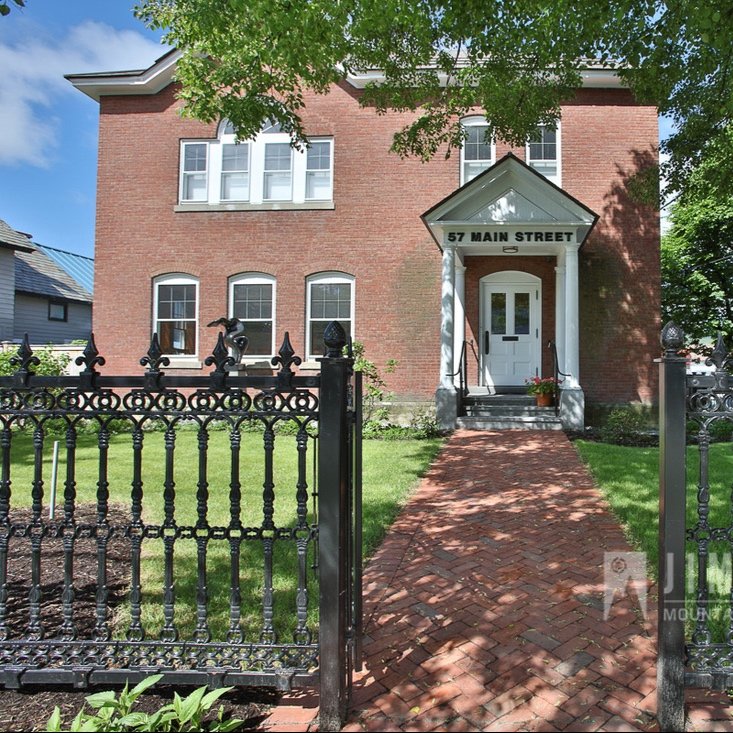
You can tell a building matters to a community by the way the community reacts to renovations, developer David Clem said. That's the case with the Dominican Block, the four-story building he's renovating on the corner of Lincoln and Cedar streets.

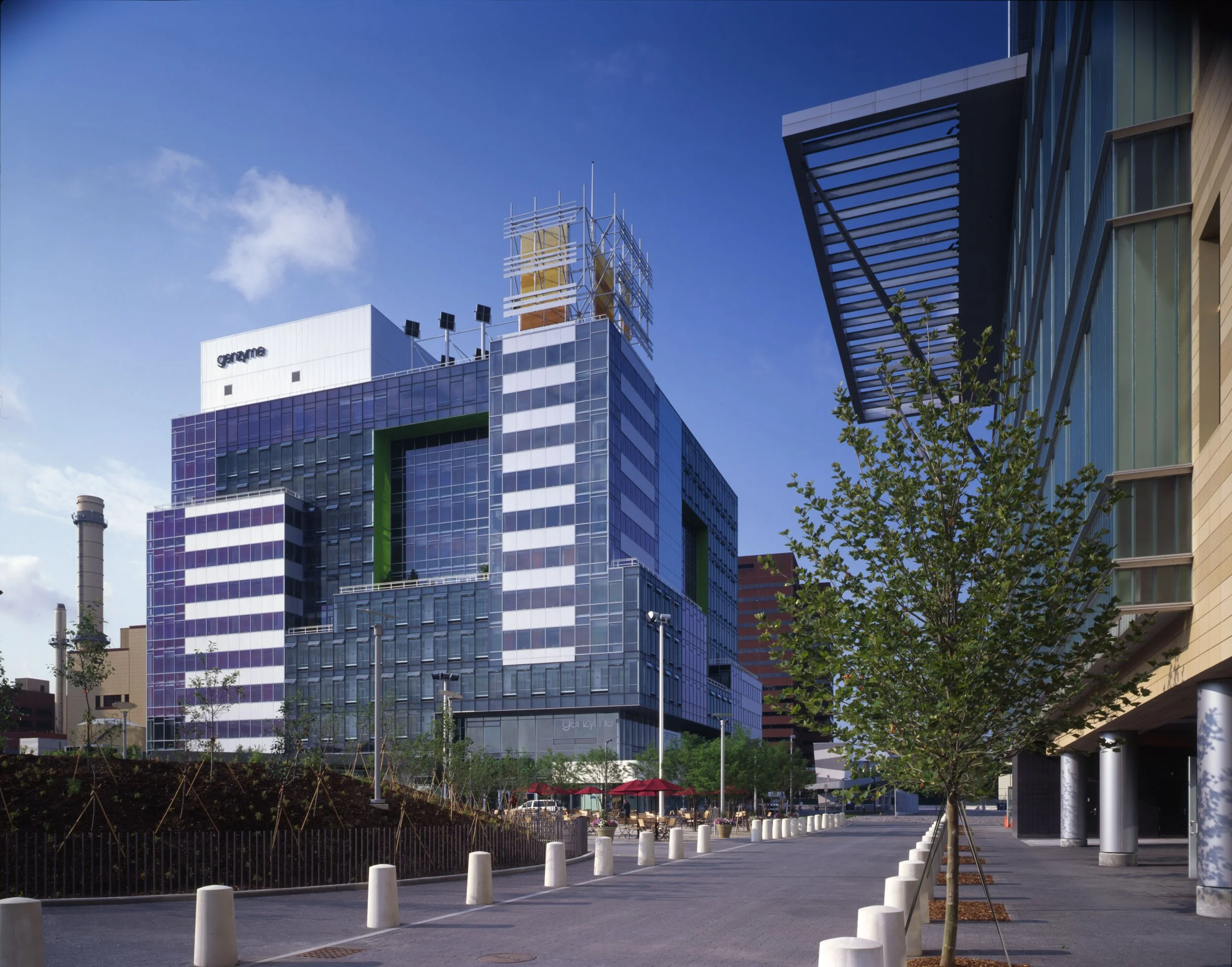
This year's Parker winner is the Genzyme Center, the headquarters of a major biotech company, at 500 Kendall St. near MIT.


David Clem and Lyme Properties are featured in the November/December 2007 edition of ArchitectureBoston, which showcases their focus on excellent architectural work at Kendall Square. The full article can be downloaded here.

L-A is prime ground for developers like Clem. The cities have the raw materials for an architectural renaissance of the highest regard; our landmarks were built to last, not fall into irreparable gloom or emptiness.

LEWISTON - David Clem has done enough historic renovations to know a beauty when he sees one. So when he first viewed the Dominican Block - the 4-story, Queen Anne building that has anchored the corner of Chestnut and Lincoln streets since 1882 - he could see its potential, especially the top-floor ballroom.
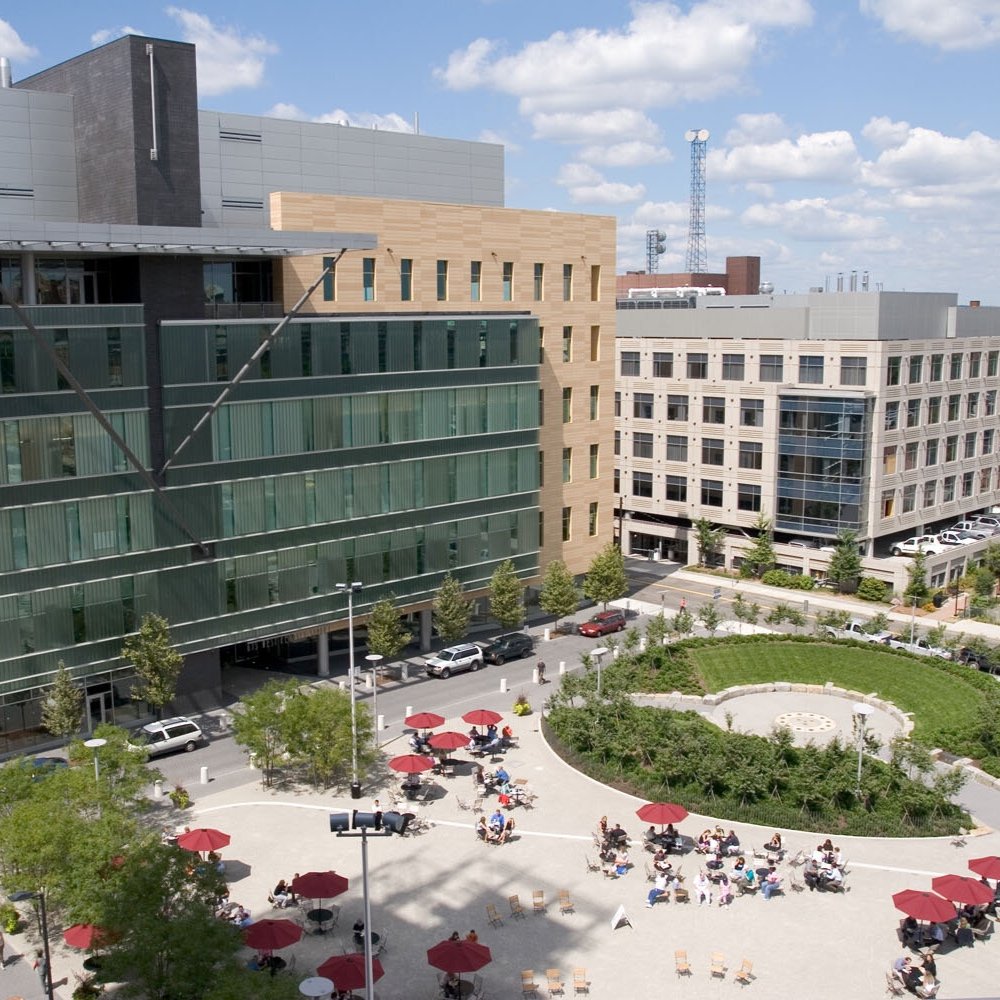
Groundbreaking Life Science Research Space
Lyme Properties is nationally known for excellence in urban design, green buildings, and adaptive re-use with a portfolio of mixed-use projects that have established pioneering standards for architecture, land-use, and conservation.
Past Projects:
Project Hero Images


Recognized For Innovation & Design
News
The Commonwealth Catalyst Award recognizes outstanding efforts over time to spur economic activity in Massachusetts. Commonwealth Catalyst awardees have been significantly involved in economic development activities, working in and across public, private, and non-profit sectors to propel economic growth. This award celebrates the spirit of transformation.
Lyme Properties was humbled and honored to be nominated for a National Trust for Historic Preservation Award by the Preservation Trust for Vermont. The Wilder Center project was nominated for a National Honor Award, and David Clem was nominated for the Peter H. Brink Award for Personal Achievement.
This year's Parker winner is the Genzyme Center, the headquarters of a major biotech company, at 500 Kendall St. near MIT.


Lyme’s Role in Kendall Square
“Beginning in the late 1980s, David crafted a real estate model that supported scores of emerging biotech companies and led to the dramatic physical growth of the industry in Kendall Square. At Lyme Properties, Clem expanded holdings, including renovated and new lab spaces, to over 3 million square feet in Cambridge and Boston. The properties included iconic lab buildings, including Genzyme Center, the Center for Life Science in Longwood, and the venerable One Kendall in Cambridge. His legacy is seen in millions of square feet of active commercial lab space in Cambridge and Boston. David Clem saw a future for the emerging biotechnology industry in Massachusetts, formulated a model that enabled fledging biotech companies to locate in Cambridge, and directed investments in a way that transformed the commercial laboratory industry in the greater Boston area. David Clem was a major factor in helping establish Massachusetts as the global epicenter for biotechnology research and development.” – MassEcon, Commonwealth Catalyst Award
Project Hero Images
The evolution of Kendall Square from a post-industrial brownfield to the epicenter of Life Science research began in the 1970s.
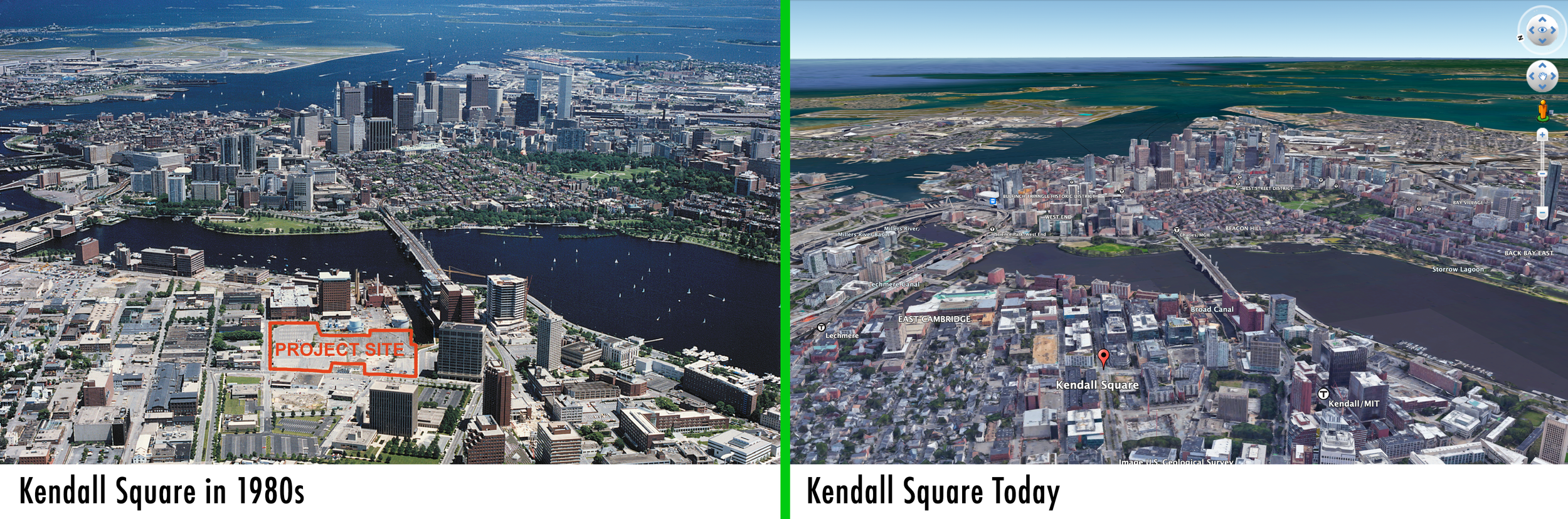
Lyme Properties built a ‘HALO’ of LifeSci-ready buildings around MIT and Harvard, helping as the industry needed space.

Lyme’s Development Approach:
life science + Innovation campuses
At the forefront of the revitalization of East Cambridge, Massachusetts, Lyme helped transform Kendall Square into the nation’s leading research cluster creating a “halo” of life science & innovation space around the Massachusetts Institute of Technology.

community-conscious planning
We start every project by engaging our neighbors in Lyme’s Neighborhood Planning Process, in the belief that a proactive approach leads to more productive outcomes than a regulatory process that results in more conflict than collaboration.


adaptive re-use & Green architecture
Lyme builds environmentally conscious buildings. 500 Kendall St. was the first privately-financed Platinum LEED building in America, which received the 2008 Harleston Parker Medal for “The Most Beautiful Building” In Greater Boston.